Thinking about buying a condo in Williamsburg and not sure where to start? You are not alone. Between converted lofts, new waterfront towers, and everything in between, the choices can feel overwhelming. In this guide, you will learn how to read building financials, what common charges really cover, and the big differences between sponsor and resale units. You will also get a focused checklist so you can move from browsing to confident offers. Let’s dive in.
Williamsburg condo market at a glance
Williamsburg is one of Brooklyn’s higher-priced condo markets, with big differences by block, view, and building type. Pricing snapshots from third-party aggregators can swing month to month because they use different boundaries and product mixes. Treat them as directional and lean on current building-level data when you are ready to offer.
A steady pipeline of new development on and near the waterfront keeps options fresh. Recent updates point to active new-development contract flow in Brooklyn, including Williamsburg projects with sponsor inventory you can consider. You can review current trends in the Marketproof February 2026 new development report for context on the supply mix.
If you want exact numbers for your timing, ask for the latest neighborhood report and recent comps for your preferred micro-area before you tour. That way your price range reflects both list prices and real closing data.
Building types you will see
Prewar walk-ups and brownstones
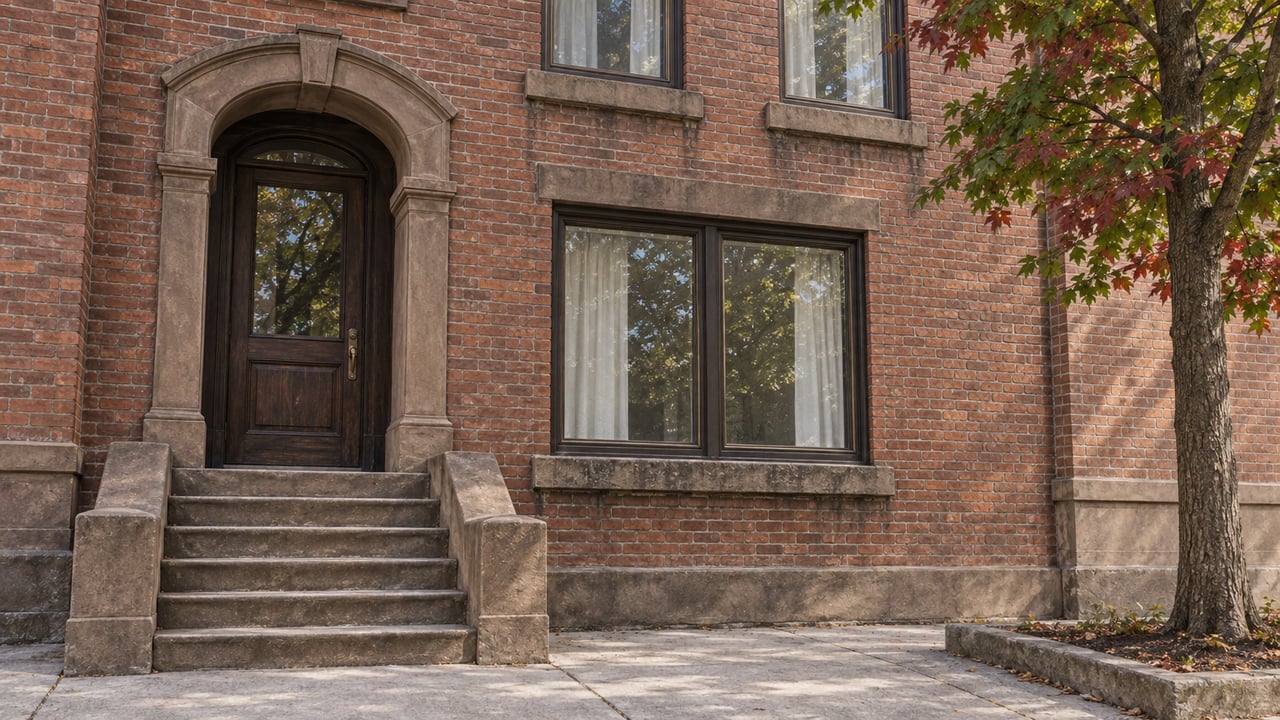
Smaller prewar buildings and brownstones show up across Williamsburg. They can offer character and sometimes lower monthly costs, but you should check for older systems and deferred maintenance. A quick history read on the area’s housing stock helps frame why these buildings vary so much in layout and finishes. You can find neighborhood background on Williamsburg’s history and fabric.
What to watch: façade work, roof, plumbing and electrical. Ask for recent capital projects and the current reserve balance in the financials.
Industrial and warehouse loft conversions
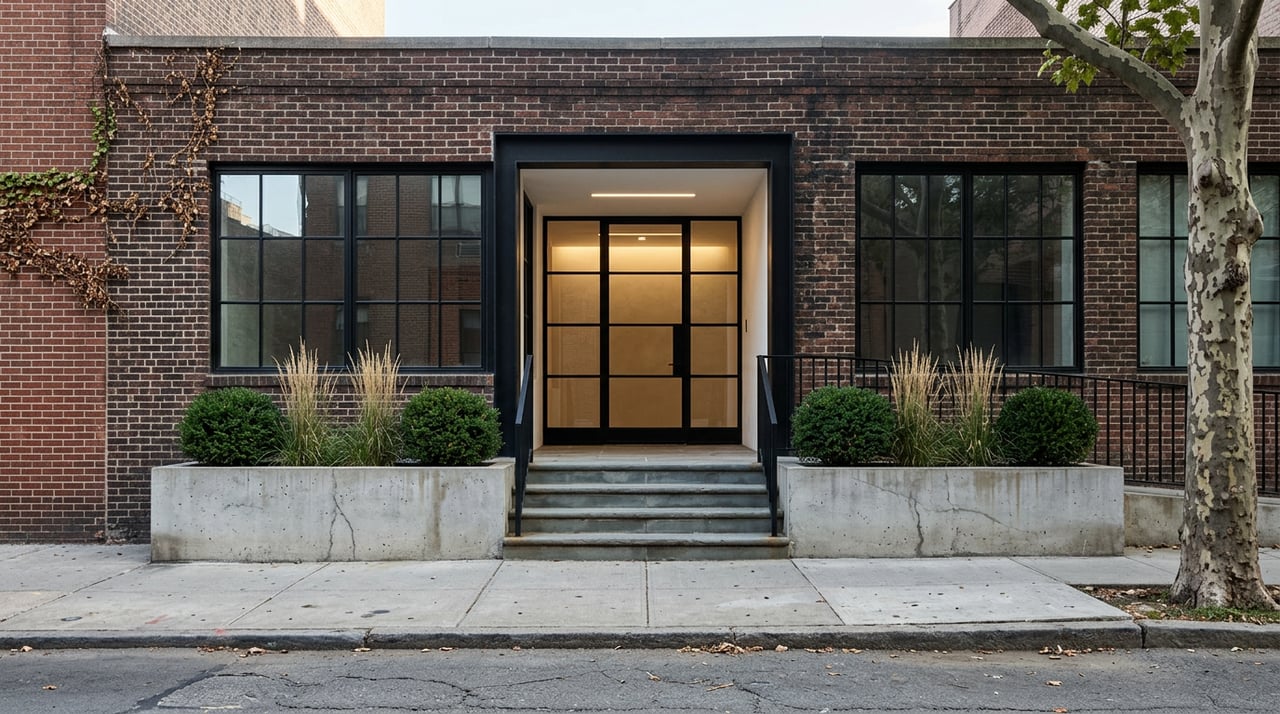
Converted lofts are part of the neighborhood’s DNA. Expect higher ceilings, open plans, and distinctive details. Many of these buildings were adapted from industrial use, which can mean unique layouts and materials. You can read more on Williamsburg’s industrial-to-residential evolution.
What to watch: elevator age and service contracts, window condition, and any lingering items from the original conversion.
Mid-rise infill condos
Williamsburg saw a wave of mid-rise condos in the 1990s through the 2010s. These buildings often deliver modern layouts with more modest amenity sets. Monthly common charges can be more manageable, but always confirm what utilities are included and whether there are any special assessments in place.
Waterfront towers and full-service buildings
On the waterfront, you will find towers like the Edge and Northside Piers, along with projects tied to the Domino redevelopment. These buildings compete with Manhattan-style amenities, including gyms, pools, lounges, and waterfront parks. Explore examples of Williamsburg’s waterfront condo scene in this overview of Brooklyn condos with notable river views.
What to watch: higher common charges that reflect staff and amenities, plus long-term capital planning for large properties.
Common charges and building finances
In New York, condos disclose a first-year budget called Schedule B in the offering plan. It lays out projected income and expenses, including labor, heat, utilities, water and sewer, repairs, insurance, management, legal and audit, and reserves. If you are buying a sponsor unit, read Schedule B and any amendments. If you are buying a resale, review the current budget, audited financials, and board minutes. You can see the disclosure framework in the state’s Schedule B requirements.
Here is how to review finances quickly:
- Reserves: How much is in the reserve fund today and how has it trended for 3 years? Low reserves increase the risk of special assessments.
- Assessments: Ask about recent or planned assessments and capital work in minutes or management letters.
- Utilities: Confirm what is included in common charges. Some buildings include heat and hot water, others bill usage to owners.
- Insurance: Review the master policy’s deductible and recent premium changes.
City rules also influence building budgets:
- Façade safety: Buildings over six stories must comply with New York City’s FISP program. Façade reports and repairs can be significant, so confirm status and any open violations in the current cycle. Learn more about FISP and façade requirements.
- Local Law 97: Larger buildings must meet emissions caps over time. Compliance can require energy upgrades that affect operating costs. Read about Local Law 97 requirements and ask whether the board or sponsor has a plan.
Sponsor units vs resale units
What a sponsor sale means
A sponsor is the developer who filed the offering plan. Sponsor sales come with an offering plan package that explains building budgets, governance, amenities, and special risks. The New York Attorney General oversees these filings and provides consumer guidance on condo governance. You can review the AG’s consumer resource on handling issues with a condo board.
Pricing, incentives, and timing
Sponsor units can carry premium pricing but may offer concessions, upgrade options, or flexible closing timelines. Activity in Brooklyn new development has been steady, and Williamsburg often has active sponsor inventory. For context on overall patterns, see the Marketproof NYC new development report.
Sponsor control and governance
Sponsors typically control the board during early sales. The offering plan must disclose how and when that control ends, often tied to a sales threshold or a time limit. Always confirm the exact terms in the plan and amendments. You can reference the state’s governance framework in 13 NYCRR 23.3.
Financing and project eligibility
If you are financing, lenders will review the project’s budget, unsold unit count, investor occupancy, and commercial exposure. For sponsor purchases, confirm lender appetite for the specific building early and consider getting project pre-clearance from your lender. This prevents surprises late in the process.
Due diligence checklist
Request these documents before you sign or during attorney review:
- Offering plan with Schedule B and all amendments, or current bylaws and declaration for resales. The Schedule B framework is outlined here: NY State Schedule B rules.
- Current annual budget, last 2 to 3 years of audited financials, interim financials, and any reserve study.
- Board minutes for the last 12 to 24 months and any written assessment notices.
- Certificate of Occupancy or TCO, elevator inspections, and NYC DOB records, including façade compliance. See FISP guidance.
- Insurance certificates and master policy details.
- Litigation disclosures and any active claims against the condo.
Key questions to ask the agent, board, or sponsor:
- How much is in reserves today and what were the reserve contributions for the past 3 years?
- Are any special assessments planned in the next 12 to 24 months? For what scope of work?
- Is the building subject to Local Law 97 and, if so, what is the compliance plan and budget impact? Read Local Law 97 basics.
- For sponsor units: What concessions are available, what percent of units are in contract, and when does sponsor control end per the offering plan?
- For resales: How have common charges changed over the past 3 years and why?
Attorney and lender priorities:
- Attorney: Confirm board powers, sublet and pet policies, transfer restrictions, and any building rule changes that affect use.
- Attorney: Review façade, DOB, and LL97 status, plus any open violations or consent agreements.
- Lender: Verify project eligibility early for sponsor buildings and ensure presale thresholds are met.
How Williamsburg compares to Manhattan
On average, Manhattan condo prices run higher on a price-per-square-foot basis. Williamsburg often offers a relative discount for similar-quality finishes, with more options in waterfront product. Many buyers choose Williamsburg for slightly larger layouts, river and skyline access, and a strong dining and retail scene. You can explore neighborhood context and history on Williamsburg’s overview page.
If you are cross-shopping, compare total monthly cost, not just price. Factor in common charges, abatement status if any, and your commute.
Lifestyle and transit snapshot
Williamsburg is known for walkable streets, independent retailers, and a vibrant restaurant scene. Bedford Avenue is a major shopping corridor, and McCarren Park and Domino Park anchor daily life for many residents. For a quick orientation to the neighborhood’s story, see this background overview.
Transit is a strength. The L train at Bedford Avenue, access to the J/M/Z near Marcy Avenue, and the G at Metropolitan/Lorimer connect you to Manhattan and Brooklyn hubs. Ferry service is another perk, with North and South Williamsburg stops on the East River route. If you like commuting by water, this guide to Brooklyn ferries gives helpful context.
Quick buyer checklist
- Before you tour:
- Get a lender pre-approval that includes estimated monthly common charges and mortgage taxes. If your price is above $1 million, ask counsel about the New York State mansion tax. Review NYC transfer tax mechanics here: NYC RPTT overview.
- At offer/contract:
- For sponsor units, request the offering plan, Schedule B, and all amendments. Confirm sponsor control terms and any concessions.
- For resales, request bylaws, the current budget, audited financials, and board minutes.
- Attorney review:
- Confirm Certificate of Occupancy or TCO, façade compliance, elevator status, and any open DOB violations.
- Review reserves, assessment history, insurance coverage, and any Local Law 97 exposure.
- Final steps:
- Re-check lender project eligibility for sponsor deals.
- Confirm utility responsibilities and thermostat control for your unit.
- Do a final read of minutes for noise, building service, or management changes.
Next steps
If Williamsburg is on your shortlist, bring discipline to the search. Focus on building health, monthly cost drivers, and governance. Align your budget with current comps, then target homes that fit both your lifestyle and long-term plan. When you are ready for a finance-grade review of a building’s numbers and a calm, concierge buying process, connect with Julio Izquierdo.
FAQs
What do Williamsburg condo common charges usually cover?
- Common charges generally cover building staff, utilities for common areas, water and sewer, insurance, management, repairs, and reserves. Review Schedule B in the offering plan to see the exact line items and assumptions. You can reference the disclosure framework here: NY Schedule B rules.
Are waterfront condos more expensive to own long term?
- They often have higher common charges due to amenities and staffing, and larger properties can face façade cycles and Local Law 97 upgrades over time. Ask for reserve levels, assessment history, and status on façade compliance and Local Law 97.
What is sponsor control in a new condo and why does it matter?
- Sponsor control is the period when the developer controls the board. It affects decision-making and vendor contracts. The offering plan discloses when control ends; review the plan and amendments, and see the governance framework in 13 NYCRR 23.3.
How can I verify transit and ferry access near a specific building?
- Confirm the nearest subway lines and ferry stops on official maps, and use neighborhood guides for orientation. For general context on area transit and the ferry network, see this Brooklyn ferry overview and Williamsburg background.
What closing costs should a Williamsburg condo buyer expect?
- Buyers typically pay mortgage recording tax if financing and may owe the New York State mansion tax for purchases above $1 million; in some sponsor sales, buyers also pay transfer taxes. Always confirm with your attorney and title team. For transfer tax mechanics, see the NYC RPTT overview.