If you are thinking about raising a family in Manhattan, the Upper East Side keeps coming up for a reason. It offers something many buyers want but struggle to find in the city: a neighborhood where parks, transit, culture, healthcare, and daily errands can fit into a steady routine. If you are weighing whether the area can support your next move, this guide will help you understand how the Upper East Side works for growing families and what to watch for as you search. Let’s dive in.
Why the Upper East Side works
The Upper East Side is not just one kind of neighborhood. Manhattan Community District 8 stretches from East 59th Street to East 96th Street between Fifth Avenue and the East River, and city planning materials describe it as a largely residential district with added transit access from the Second Avenue Subway reaching 96th Street. The district also added more than 12,000 residents between 2010 and 2020, which points to sustained demand for living here (NYC Planning and Borough President materials).
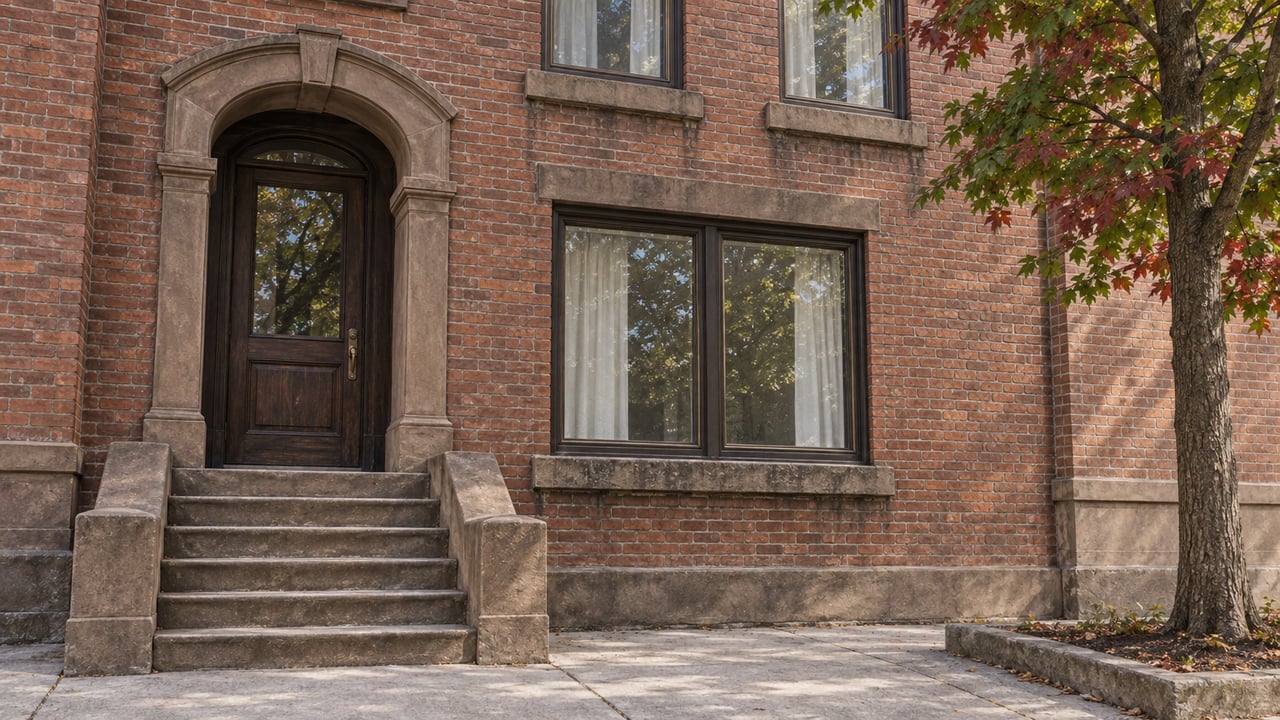
What makes the area especially appealing for families is its mix of housing and everyday convenience. According to the Landmarks Preservation Commission, the neighborhood includes brownstone-fronted houses, rowhouses, luxury apartment buildings, mid-rise elevator buildings, and later towers, while corridors like Madison Avenue developed with retail at street level and homes above. In practical terms, that means you are looking at a neighborhood designed for real daily life, not just a destination district (LPC neighborhood history).
Daily family life is easy to picture
For many buyers, the big question is simple: can you build a repeatable routine here? On the Upper East Side, the answer is often yes because the neighborhood supports a reliable loop of outdoor time, enrichment, errands, transit, and medical access.
You can picture a weekday with a morning park stop, a short walk to the subway, a quick errand run on the avenues, and an after-school outing that does not require crossing town. That kind of rhythm matters when your housing search is really about reducing friction in everyday life.
The city is also continuing to add family-oriented infrastructure. In February 2026, New York City announced a District 2 Pre-K and 3-K center at 403 E. 65th St. that will add more than 130 seats in fall 2026, including the first standalone city-run early childhood center in the 10065 ZIP code (city announcement).
Parks and outdoor options
One of the Upper East Side’s strongest advantages is the number of outdoor spaces that can become part of your weekly routine.
Central Park access
Central Park borders the neighborhood’s west side, and NYC Parks notes that it includes 21 official playgrounds. For families, that creates a wide menu of options for playground time, stroller walks, open space, and weekend outings without needing to leave the neighborhood (Central Park overview).
East River parks
If you are focused on the eastern side of the neighborhood, the park network is especially useful. Carl Schurz Park offers an East River promenade, a playground, pickleball courts, basketball courts, roller hockey, dog runs, and public restrooms, making it a practical option for after-school walks and quick outdoor breaks.
Nearby, John Jay Park includes an outdoor pool, playgrounds, spray showers, basketball courts, handball courts, fitness equipment, and restrooms. NYC Parks describes it as busy with families year-round, which helps explain why this section of the neighborhood appeals to buyers who want outdoor activity close to home.
Mid-neighborhood play space
For households looking around the middle of the Upper East Side, St. Catherine’s Park gives you another easy option. It includes a playground, running track, tennis wall, handball courts, and a basketball court in a compact footprint.
Museums and family programming
The Upper East Side stands out because indoor outings are just as easy as outdoor ones. Along Fifth Avenue and nearby, you have a dense cultural cluster that can become part of normal family life rather than a special occasion.
The area includes The Met at 1000 Fifth Avenue, the Guggenheim at 1071 Fifth Avenue, the Museum of the City of New York at 1220 Fifth Avenue, and Cooper Hewitt at 2 East 91st Street (The Met visitor information). That concentration gives you a lot of options for weekends, rainy days, and repeat visits close to home.
Programming matters too. 92NY offers parent-and-child classes for toddlers and other family-oriented programs, while the Museum of the City of New York and Cooper Hewitt also offer family programming. For buyers, this is less about prestige and more about convenience. You are choosing a neighborhood where enriching outings can be nearby and easy to repeat.
Healthcare access adds peace of mind
For growing families, healthcare access is not a small detail. It is one of the features that can shape where you want to live long term.
The Upper East Side is home to NewYork-Presbyterian/Weill Cornell Medical Center, the David H. Koch Center on York Avenue, and Lenox Hill Hospital. Whether you are thinking about routine appointments or simply the convenience of having major medical institutions nearby, this is one of the neighborhood’s strongest practical advantages.
Transit and getting around
The Upper East Side gives you more than one way to move through the city, which is important when your schedule depends on flexibility.
Subway access is spread across several lines. The 4 and 6 trains serve 86th Street on Lexington Avenue, the 6 also serves 96th Street, and the Q on the Second Avenue Subway serves 72nd, 86th, and 96th Streets. That spread helps different parts of the neighborhood feel connected rather than isolated.
If you are near the river, the East 90th Street landing on the NYC Ferry Soundview route adds another commuting and weekend travel option. For some households, that extra layer of transportation can make east-side living more flexible.
Three Upper East Side micro-areas
Not every part of the Upper East Side feels the same. If you are searching for a home that fits your family’s rhythm, it helps to understand the differences.
Carnegie Hill
Carnegie Hill is often associated with a classic Upper East Side feel. LPC history ties this area to rowhouses, brownstone-fronted homes, later luxury apartment buildings, and a concentration of museums and cultural institutions along Fifth Avenue (LPC report).
For buyers, that usually means a park-and-museum lifestyle with a strong prewar character. If you are drawn to historic architecture and easy access to Central Park and Museum Mile, this section may stand out.
Lenox Hill
Lenox Hill sits in a more central and transit-connected part of the neighborhood. It benefits from access to both the Lexington Avenue line and the Second Avenue Subway, while also placing you close to major medical institutions such as NewYork-Presbyterian/Weill Cornell and Lenox Hill Hospital.
This part of the Upper East Side often feels more mixed-use in practice. If your priority is convenience, connectivity, and efficient day-to-day movement, Lenox Hill may be a strong fit.
Yorkville and the East River edge
Yorkville offers some of the neighborhood’s clearest access to outdoor space along the river. In practical terms, that can mean a routine built around Carl Schurz Park, John Jay Park, and the East 90th Street ferry landing.
Planning and parks materials also suggest more variation in building types here, including apartment houses, towers, rowhouses, and other residential forms. For buyers who want riverfront access and a wider mix of building styles and layouts, Yorkville often deserves a close look.
What to consider when buying here
As you compare homes on the Upper East Side, it helps to think beyond square footage alone. A family move usually works best when the apartment and the neighborhood support each other.
Here are a few useful questions to ask during your search:
- How close do you want to be to a daily-use park or playground?
- Which subway line will matter most for your regular commute?
- Do you want quicker access to the museum corridor, the Lexington Avenue spine, or the East River parks?
- Is healthcare proximity an important factor for your household?
- Would a building near avenue retail make errands easier, or would you prefer a quieter block?
These are the details that often shape how a home feels after move-in. In a neighborhood like the Upper East Side, small location differences can have a meaningful impact on your routine.
A neighborhood built for repeatable routines
The best family neighborhoods are not always the loudest or most trend-driven. Often, they are the ones that make ordinary days easier.
That is where the Upper East Side stands out. Its combination of residential scale, varied housing stock, major parks, cultural institutions, healthcare access, and layered transit gives many buyers exactly what they are looking for: a Manhattan neighborhood where family life can feel organized, active, and sustainable over time.
If you are exploring the Upper East Side as your next move, working with an advisor who understands building types, micro-neighborhood differences, and the details behind Manhattan co-op and condo searches can help you narrow your options with confidence. To discuss your goals and find the right fit, connect with Julio Izquierdo.
FAQs
Is the Upper East Side a practical neighborhood for growing families?
- Yes. The Upper East Side offers a strong mix of parks, transit, healthcare, errands, and cultural destinations that can support daily family routines.
Which Upper East Side area is best for park access?
- Yorkville and the East River edge are especially close to Carl Schurz Park and John Jay Park, while the western side of the neighborhood benefits from direct access to Central Park.
What transit options serve the Upper East Side for family commuting?
- The neighborhood is served by the 4, 6, and Q trains, and the East 90th Street NYC Ferry landing adds another transportation option on the eastern side.
What cultural activities are available for families on the Upper East Side?
- Families have easy access to institutions such as The Met, the Guggenheim, the Museum of the City of New York, Cooper Hewitt, and family programming at 92NY.
Why do Upper East Side micro-neighborhoods matter when buying a home?
- Micro-neighborhoods can shape your daily routine. Carnegie Hill is closely tied to museums and historic housing, Lenox Hill stands out for transit and convenience, and Yorkville offers strong access to riverfront parks and the ferry.