If you want a Manhattan home base that feels calmer than its address suggests, Sutton Place deserves a closer look. This small East Side enclave offers a quieter residential setting, historic architecture, and East River views while staying closely connected to Midtown and the broader East Side. If you are weighing lifestyle, housing stock, and day-to-day convenience, this guide will help you decide whether Sutton Place fits the way you want to live. Let’s dive in.
What Sutton Place Feels Like
Sutton Place is best understood as a compact, river-edge pocket on the East Side. City planning materials describe it as a residential enclave east of busier avenues, generally between East 53rd and East 59th Streets, with a more tucked-away feel than many nearby Manhattan neighborhoods. That difference matters if you want central access without constant street activity.
The neighborhood reads as more residential than retail-driven. According to city planning analysis of the area, commercial uses on the side streets are limited, with First Avenue acting as the main local retail corridor. East 59th Street is a notable exception because of the Queensboro Bridge approaches and related activity.
In practical terms, that means your daily experience here may feel more private and contained than in Midtown East. Pedestrian activity is generally more modest, and many east-west streets end at the East River, which reinforces the neighborhood’s enclosed character. If you value a sense of retreat within Manhattan, that is a real part of Sutton Place’s appeal.
Why Buyers Consider Sutton Place
For many buyers, Sutton Place works because it combines three things that do not always come together easily in Manhattan: central location, residential calm, and architectural character. You are still in a highly connected part of the city, but the neighborhood itself is not defined by office towers or heavy retail corridors.
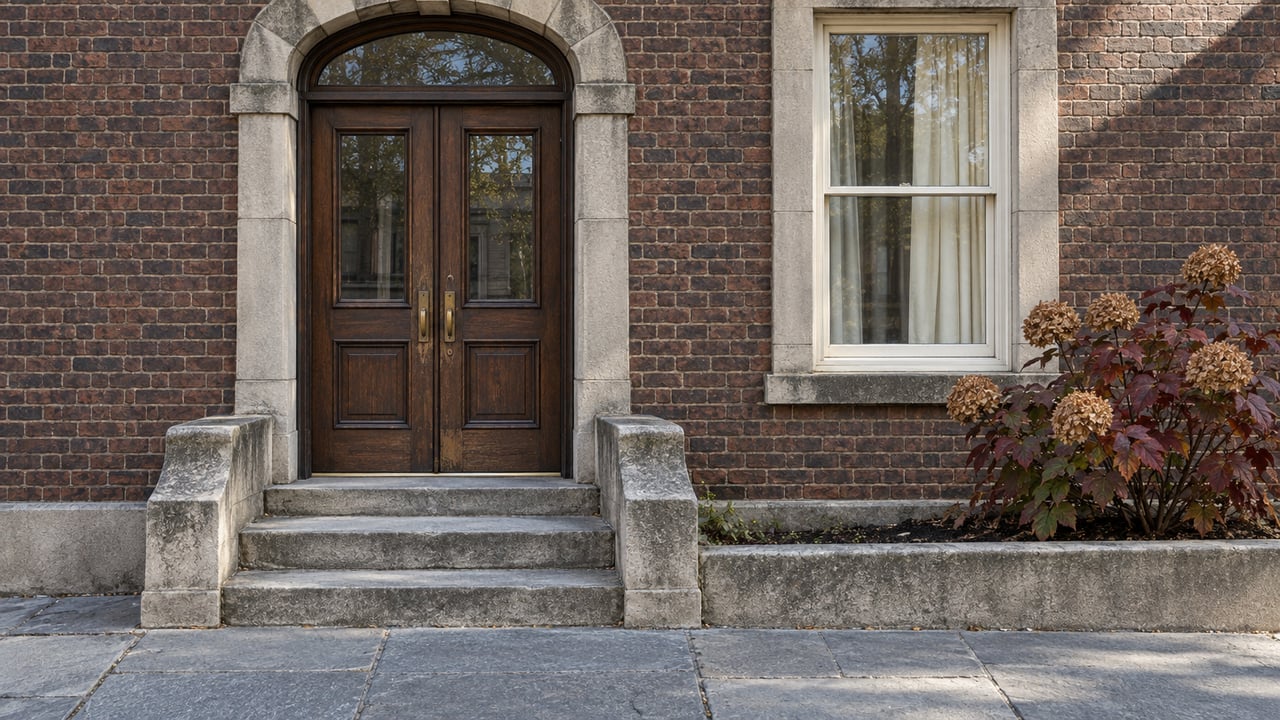
It can be especially appealing if you want a home that feels established rather than newly manufactured. The area is known more for pre-war and mid-century apartment houses, townhouses, and historic blocks than for a wave of brand-new luxury high-rises. That gives the neighborhood a more layered and distinctive housing profile.
This is also a strong fit if your idea of convenience is access rather than noise. You can stay close to major transit, key business districts, and East Side destinations without living in the middle of the busiest street life.
Housing Stock in Sutton Place
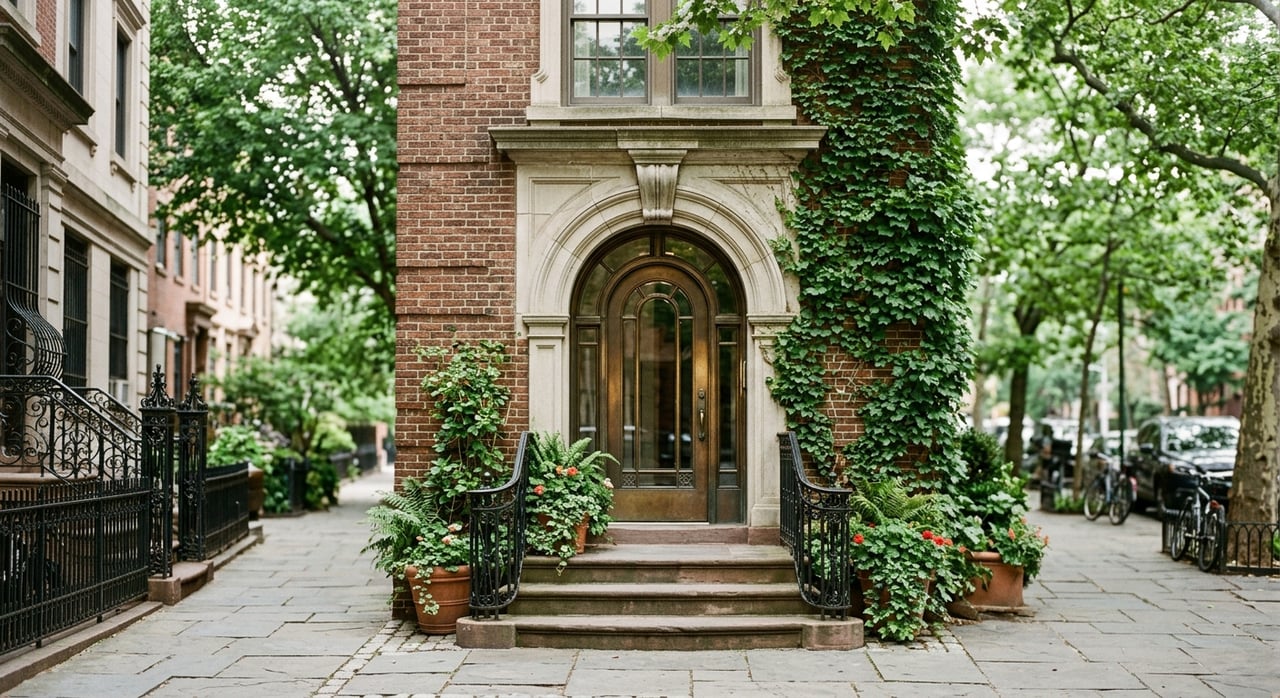
One of Sutton Place’s biggest strengths is that the housing stock is varied but cohesive. Official planning materials describe the neighborhood as a mix of historic low-rise homes, pre-war apartment buildings, and mid-century apartment houses, rather than a uniform new-development market. For buyers, that usually means more architectural personality and more differences from building to building.
The Sutton Place Historic District is one of the clearest examples of that identity. It includes 4- and 5-story rowhouses and apartment buildings in Colonial Revival, Renaissance Revival, and Neo-Georgian styles, along with a communal landscaped garden. The district was listed on the state and national registers in 1985.
Beyond the historic district, the neighborhood also includes notable apartment buildings from different eras. Official materials point to examples such as One Sutton Place South, River House, and the mid-century buildings at 25 and 45 Sutton Place. Most buildings in the area do not exceed 20 stories, which helps preserve the neighborhood’s lower-scale feel compared with more vertical parts of Manhattan.
A Good Fit for Some Buyers
Sutton Place can make a lot of sense if you want a quiet, central Manhattan base with a classic residential atmosphere. Buyers who appreciate historic architecture, river views, and established apartment houses often find the neighborhood especially compelling. It also suits people who prefer discretion and a more tucked-away setting.
If you commute around Manhattan, the location remains highly practical. The neighborhood gives you proximity to Midtown and East Side business corridors without requiring you to live in the middle of them. That balance is one reason Sutton Place continues to stand apart.
For buyers focused on long-term livability, the area’s physical character also matters. Because the housing stock is not one-note, you can evaluate buildings based on layout, scale, views, and architectural style rather than just age or amenity package.
Less Ideal for Other Buyers
Sutton Place is not the best match for everyone. If you want a neighborhood defined by dense restaurant rows, abundant storefronts, and constant street energy, you may find it too quiet or too limited in its immediate retail mix.
It may also feel less aligned if your preference is newer high-rise construction. The area’s identity is rooted more in historic and mid-rise residential buildings than in a large pipeline of modern glass towers. That does not make it less desirable, but it does make it different.
Some buyers also need to think carefully about micro-location. City analysis notes heavier traffic near the 59th Street edge because of bridge infrastructure, so the experience can vary depending on where a building sits within the neighborhood.
Outdoor Space and Riverfront Appeal
One of Sutton Place’s most distinctive lifestyle features is its relationship to the East River. The neighborhood includes a series of small waterfront parks that give the area visual openness and a break from the denser feel of inland blocks. In a part of Manhattan where outdoor access can feel limited, that matters.
Sutton Place Park is a neighborhood-scale park along the East River between East 56th and 57th Streets. NYC Parks describes the broader Sutton Parks system as five vest-pocket parks along the waterfront. Sutton Place Park itself includes a bi-level design, playground equipment, and views of the Queensboro Bridge.
The open space here is meaningful, but it is compact. This is not a large park district. Instead, it offers small-scale waterfront relief, neighborhood seating areas, and river views that shape the everyday rhythm of the area.
Recent public-realm improvements have also made the waterfront more usable. According to NYC DOT project updates, work on the East 54th Street and East River Greenway connection was intended to improve access to the East Midtown Greenway and Sutton Place Park. The result is a stronger link between this quiet enclave and the broader waterfront path network.
Transit and Daily Convenience
Sutton Place feels tucked away, but it is not isolated. Nearby subway access includes Lexington Av/53 St and the larger Lexington Av/59 St station area, which serves the N, R, 4, 5, and 6 lines, according to the MTA subway map. That gives you strong connectivity across Manhattan and beyond.
Bus service also supports local mobility. City planning analysis notes that the M31 and M57 run through the study area on Sutton Place and adjacent cross streets. For many residents, that helps bridge the last stretch between the quieter river-edge blocks and major transit corridors.
This combination is one of Sutton Place’s strongest selling points. You can enjoy a neighborhood that feels less busy than surrounding areas while still keeping your commute and city access relatively simple.
Sutton Place vs Nearby Areas
If you are comparing East Side options, Sutton Place is useful to think of as a niche choice rather than a direct substitute for every nearby neighborhood. Its character is more enclosed and residential than Midtown East, which is shaped by major commercial corridors and public-realm redesign efforts such as the Park Avenue Vision Plan.
It is also more limited in retail than the broader Upper East Side environment. The southern Upper East Side includes larger commercial stretches along Madison, Lexington, and Third Avenues, while Sutton Place sources consistently emphasize limited commercial uses and a quieter residential pattern.
That difference is exactly why some buyers prefer Sutton Place. If you want to live near Manhattan’s activity rather than inside it, the neighborhood offers a more private alternative. If you want constant options right outside your door, other East Side locations may feel more convenient.
Key Questions to Ask Yourself
Before deciding whether Sutton Place is the right Manhattan retreat, it helps to get specific about your priorities. In this neighborhood, fit matters as much as price point or square footage.
Ask yourself:
- Do you want a quieter residential setting over a dense retail scene?
- Do you value historic and pre-war character more than newer tower inventory?
- Would compact waterfront parks and river views add meaning to your daily routine?
- Do you prefer being near Midtown without feeling in the middle of Midtown?
- Are you comfortable with a neighborhood where building-by-building differences matter a lot?
If you answer yes to most of those questions, Sutton Place may be a strong match. If not, your search may benefit from looking at nearby East Side areas with more active street life or newer housing stock.
The Bottom Line on Sutton Place
Sutton Place is not trying to be all things to all buyers, and that is part of its appeal. It offers a specific kind of Manhattan lifestyle: quieter, established, river-facing, and highly central without feeling overly exposed. For the right buyer, that combination can be hard to replace.
The neighborhood tends to work best when you value calm, character, and access in equal measure. If you are considering a co-op or condo here, building selection, orientation, and block-level feel will shape your experience more than broad neighborhood branding alone.
If you want help evaluating whether Sutton Place aligns with your goals, Julio Izquierdo offers data-driven buyer guidance and a concierge-level approach tailored to Manhattan co-ops and condos.
FAQs
Is Sutton Place a quiet neighborhood in Manhattan?
- Yes. City planning materials describe Sutton Place as a residential enclave with limited commercial uses and relatively modest pedestrian activity compared with busier nearby areas.
Does Sutton Place have good transit access for Manhattan buyers?
- Yes. Nearby access includes Lexington Av/53 St and Lexington Av/59 St, and local bus service includes the M31 and M57 through the area.
What kind of homes are common in Sutton Place?
- Sutton Place is best known for a mix of historic low-rise homes, pre-war apartment buildings, and mid-century apartment houses rather than a uniform group of new luxury towers.
Does Sutton Place offer outdoor space and river views?
- Yes. The neighborhood includes Sutton Place Park and other small waterfront parks along the East River, with views toward the river and Queensboro Bridge.
Is Sutton Place better than Midtown East for a residential lifestyle?
- It depends on your priorities. Sutton Place is generally more secluded and residential, while Midtown East is more shaped by commercial corridors and heavier daily activity.
Who is Sutton Place usually the best fit for?
- Sutton Place often fits buyers who want a quiet, central Manhattan home base with historic architecture, riverfront character, and convenient East Side access.