If you love the Hamptons but worry that some towns feel too seasonal once summer fades, Sag Harbor deserves a closer look. Year-round living here is less about a resort rhythm and more about daily life in a compact harbor village with civic activity, cultural programming, and a real residential base. If you are weighing a primary home, an extended-stay property, or a second home you can actually enjoy beyond peak season, this guide will help you understand what Sag Harbor offers and where its trade-offs show up. Let’s dive in.
Sag Harbor has real year-round life
Sag Harbor is not just a summer stop. Village planning materials describe it as a coastal community that includes year-round residents, seasonal visitors, and weekenders, which is an important distinction if you want a place that stays active outside the high season.
That identity shows up in the village layout and daily function. The main business district includes retail, restaurants, accommodations, civic institutions, religious institutions, and cultural destinations, which supports a more consistent off-season rhythm than you may expect in a small East End market.
Sag Harbor is also an incorporated village in Suffolk County that spans both the Town of Southampton and the Town of East Hampton. Village materials note that roughly three-fifths of the village lies in Southampton and two-fifths in East Hampton, divided by Division Street.
The village feels compact and walkable
One of Sag Harbor’s biggest strengths for year-round living is how much of life centers around the village core. Official documents emphasize a compact business district and a historic village pattern rather than a spread-out, purely seasonal layout.
If you value the ability to walk to coffee, dinner, cultural events, or the waterfront, that matters. The harbor area also has practical day-to-day convenience, with village information noting that shopping, fuel, ice, marine mechanics, restaurants, and laundry are within walking distance of the marina area.
For many buyers, that kind of village structure can make off-season living easier and more engaging. You are not relying only on summer energy to make the place feel alive.
The off-season is quieter, not closed
A common concern with Hamptons living is whether a town feels empty once peak season ends. In Sag Harbor, the answer appears to be more nuanced.
The village maintains a live municipal calendar and regular public meetings, which signals ongoing civic life through the year. That may sound small, but it reflects a place that continues to function as a community, not just a seasonal destination.
The cultural calendar is also unusually strong for a village of this size. Sag Harbor Cinema states that it engages audiences year-round and offers a Kids and Families Matinees series, while Bay Street Theater describes itself as a year-round professional theater and community cultural center with concerts, comedy, workshops, and special events beyond summer.
Additional year-round programming comes from The Church, which hosts exhibitions, talks, workshops, performances, conferences, family education, and more. John Jermain Memorial Library also maintains daily hours and a public program calendar, adding another layer of regular off-season activity.
Some businesses explicitly serve year-round residents
Year-round living works better when local businesses are not built only for summer traffic. In Sag Harbor, several established businesses explicitly present themselves that way.
The American Hotel says it is open all year round. Provisions also makes clear that it welcomes people whether they live in Sag Harbor year-round, come for summer, or are simply visiting.
That does not mean every shop or restaurant operates the same way in every season. It does mean the village has a documented base of businesses that support a more durable local routine, which is exactly what many buyers want when considering extended stays or full-time use.
Housing options are broader than many buyers assume
If you picture Sag Harbor as only detached single-family homes, the zoning picture is more varied than that. The village zoning code divides Sag Harbor into several districts, including R-20 One-Family Residence, Office, Resort Motel, Village Business, Waterfront, plus Historic Overlay and Tidal Flood Hazard Overlay areas.
The R-20 district is identified in the code as the principal residence district. At the same time, the code and village materials show that housing types are not limited to one format.
Accessory apartments are allowed in the R-20 district and in accessory structures, and new accessory apartments are also addressed in the Village Business district under specific rules. The zoning code also treats apartments as a permitted use in parts of the Village Business district, often above nonresidential uses.
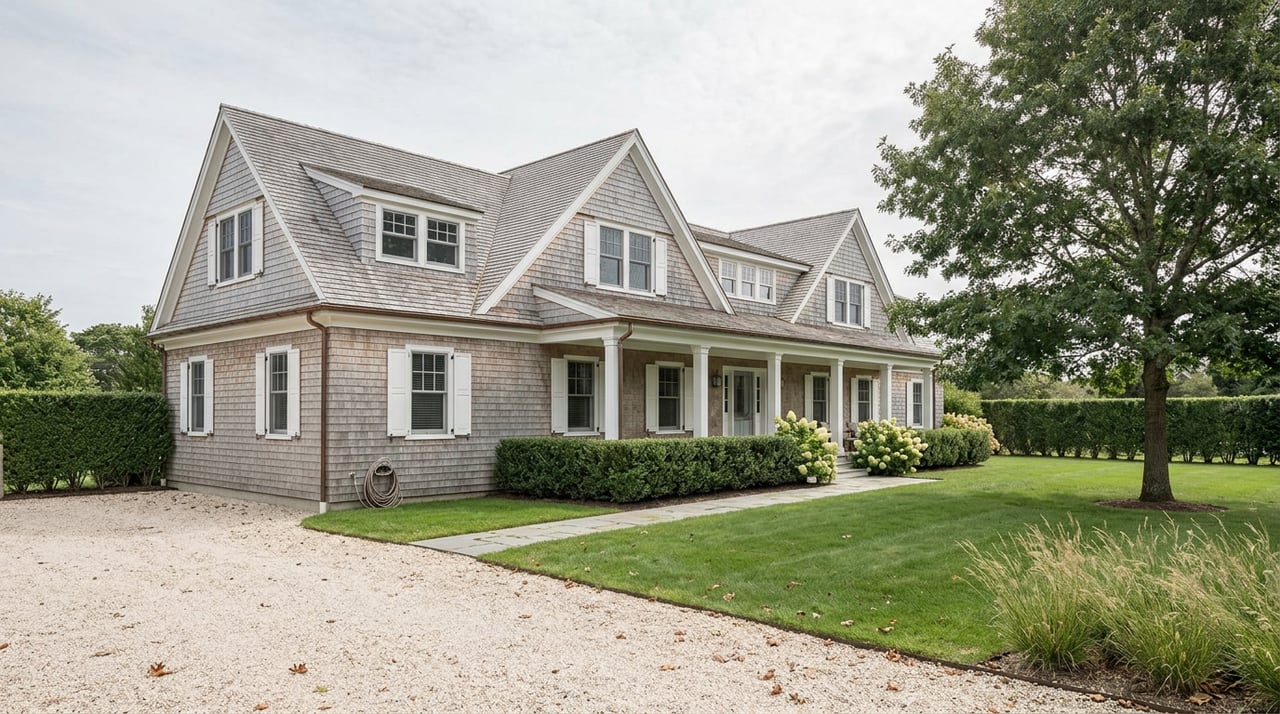
Planning materials further note that residential uses in the village range from single-family and multiple-family residences to hotels and apartment complexes. For buyers, that suggests Sag Harbor can offer a mix of detached houses, smaller accessory-unit living, and some mixed-use or apartment-style options, though the supply may be limited.
Historic rules shape the buying experience
Much of Sag Harbor, including the full business district, is listed on the National Register of Historic Places. The village also emphasizes historic preservation as a core part of its identity.
That historic character is a major reason many buyers are drawn to Sag Harbor in the first place. The village’s whaling-port history is still visible in Main Street, the waterfront, nearby residential neighborhoods, architecture, and landscape.
But charm often comes with process. Village planning and zoning materials stress limited vacant land, protection of character, and careful control of development near the waterfront and business district.
For you as a buyer, that means inventory may be constrained, and property changes may require closer attention to zoning, overlay districts, and review requirements. If you are comparing Sag Harbor to a more typical suburban market, the housing search here often benefits from a detail-oriented, data-driven approach.
The numbers support a mixed-use housing market
The latest Census profile shows 2,772 residents, 2,109 housing units, and 1,134 households in Sag Harbor. That gap between households and housing units strongly suggests that a meaningful share of homes are not used as full-time primary residences.
That is important context if you are trying to understand the local feel. Sag Harbor does have a real year-round population, but it also clearly includes second homes, seasonal occupancy, and part-time use.
The same Census profile reports a median household income of $129,821 and notes that 64.5 percent of adults hold a bachelor’s degree or higher. For buyers, these figures help frame Sag Harbor as a relatively affluent, educated village market with a mix of full-time and seasonal ownership patterns.
How Sag Harbor compares with other Hamptons villages
If you are choosing among Hamptons locations, Sag Harbor stands apart in a few ways. Official village documents emphasize a compact business district, historic preservation, and year-round resident life more than a classic beach-resort identity.
That makes Sag Harbor feel different from places where the center of gravity leans more heavily toward beaches, summer estates, or peak-season visitor patterns. In practical terms, Sag Harbor may be especially appealing if you want a harbor-and-village lifestyle instead of a primarily summer-resort rhythm.
For many buyers, that translates into a better fit for everyday living. You may find it especially compelling if you value walkability, a historic setting, arts programming, and an off-season village that still has visible activity.
Who Sag Harbor fits best
Sag Harbor can be a strong match if you want to use your home for more than just a few summer weekends. It may be particularly appealing if you are looking for:
- A village setting with everyday services
- A more active off-season calendar
- Historic architecture and waterfront atmosphere
- Walkability to dining, culture, and civic destinations
- A Hamptons location that works for extended stays or year-round living
It may be a weaker fit if your ideal Hamptons experience centers mostly on nonstop beach activity and a pure summer-resort feel. That does not make it less desirable. It simply means Sag Harbor offers a different kind of value.
What to consider before you buy
Before buying for year-round use, it helps to think beyond the summer version of any Hamptons market. In Sag Harbor, your decision may come down to how you weigh atmosphere, convenience, housing type, and regulatory complexity.
A few smart questions to ask include:
- Do you want to be close to the village core or in a quieter residential setting?
- Is walkability a priority for your day-to-day life?
- Are you open to different housing formats, including mixed-use or accessory-unit possibilities?
- How important is historic character versus renovation flexibility?
- Are you prepared for a market with limited land and a more layered zoning environment?
These are the kinds of details that can shape both your lifestyle and long-term property strategy. In a market like Sag Harbor, clear valuation work and careful due diligence matter.
The bottom line on year-round living
For many buyers, Sag Harbor is one of the more convincing Hamptons choices for year-round living. The combination of a compact historic center, active civic life, year-round cultural programming, practical village services, and a real residential base gives it substance beyond the summer season.
It is not a one-size-fits-all answer. But if you want a Hamptons location that feels lived-in, walkable, and culturally active after Labor Day, Sag Harbor is worth serious consideration.
If you are thinking about buying or selling in Sag Harbor and want a clear, data-informed strategy tailored to your goals, connect with Julio Izquierdo for thoughtful guidance across the Hamptons market.
FAQs
Is Sag Harbor a good place for full-time living?
- Yes, Sag Harbor appears well-suited for full-time or extended-stay living if you want a village with year-round residents, civic activity, cultural programming, and practical daily services.
Does Sag Harbor stay active in the winter?
- Sag Harbor is quieter in the off-season, but village materials and local institutions show ongoing public meetings, library programming, cinema events, theater events, and year-round business activity.
What types of homes can you find in Sag Harbor?
- Village materials and zoning rules indicate a mix that includes detached homes, accessory apartments, some apartment-style uses in the Village Business district, and other residential formats referenced in planning documents.
Is Sag Harbor mostly seasonal housing?
- Census figures show far more housing units than households, which suggests a meaningful share of homes are used seasonally, part-time, or as non-primary residences.
What makes Sag Harbor different from other Hamptons villages?
- Sag Harbor stands out for its compact harbor village feel, historic preservation, walkable business district, and year-round cultural and civic life rather than a primarily beach-resort identity.
Should buyers expect zoning and historic review in Sag Harbor?
- Yes, buyers should pay close attention to zoning districts, overlay areas, and historic context because village materials emphasize preservation, limited land, and controlled development near key areas such as the waterfront and business district.