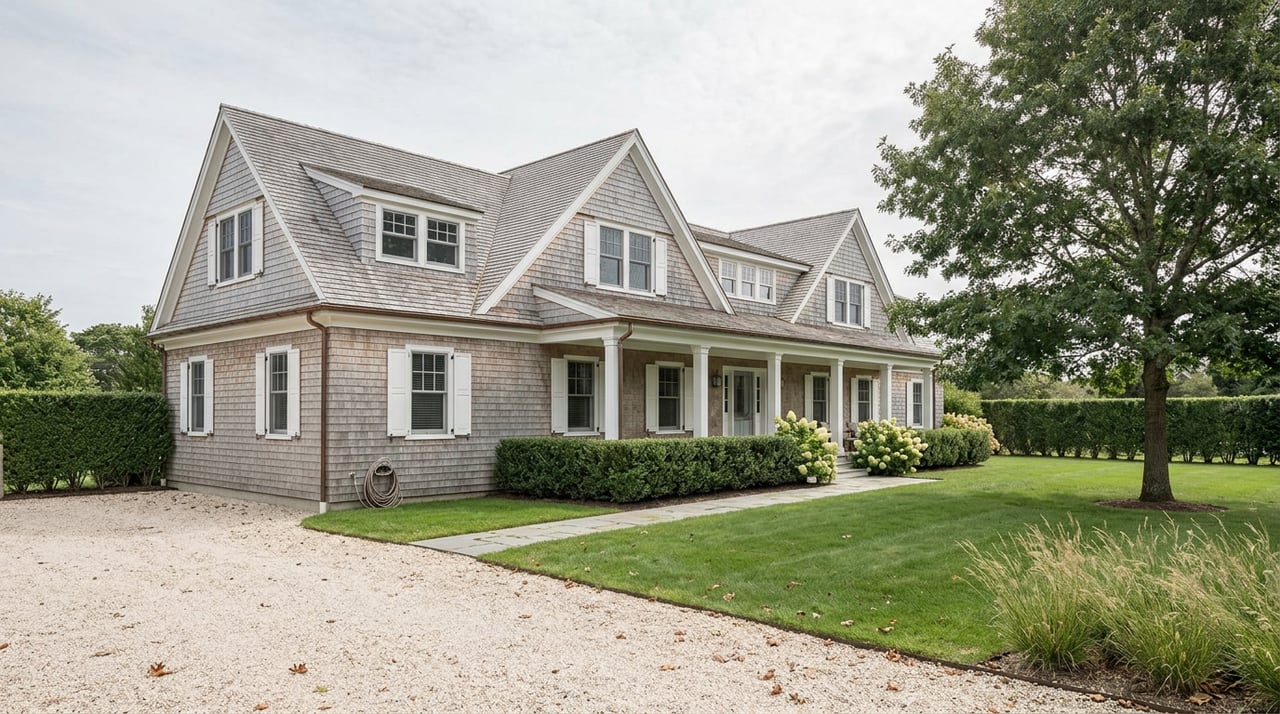
If you are trying to sell in Manhattan while buying in Sag Harbor, the biggest challenge is usually not desire or budget. It is timing. You are moving between two different markets with different price points, different pacing, and different closing costs, so the plan matters just as much as the property. In this guide, you will see how to think about timing, financing, approvals, and net proceeds so you can move with more clarity and less stress. Let’s dive in.
Why Manhattan and Sag Harbor Move Differently
A Manhattan sale and a Sag Harbor purchase may feel connected in your life, but they do not move on the same clock. That is why many otherwise strong buyers and sellers run into avoidable pressure.
In Manhattan, the first quarter of 2026 showed a median sale price of $1.225 million, with sales up 2.9% year over year. Inventory was down 16.7% to 6,164, with about seven months of supply. That is a relatively tight market, but it still requires disciplined pricing and planning, especially when your next move depends on your net proceeds.
The Hamptons market, which includes Sag Harbor, was even more constrained at the high end in the first quarter of 2026. Median and average sale prices reached record levels of $2.4125 million and $4.2578 million, and 21.2% of sales closed above $5 million. Inventory had still not returned to typical pre-pandemic levels, which means prepared buyers often have an advantage.
Start With Your Net Sheet
When you coordinate two transactions, your headline sale price is only part of the story. What matters most is how much cash you will actually have available, and when.
In Manhattan, carrying costs can be significant while you prepare, market, and close the sale. The first quarter 2026 market report showed average co-op maintenance of $3,007 per month and average condo carrying costs of $4,559 per month. If your timeline stretches, those numbers can affect how aggressively you want to act on the Sag Harbor side.
Taxes matter too. New York State imposes a real estate transfer tax when consideration exceeds $500, and a 1% mansion tax applies to residential sales of $1 million or more. For NYC conveyances, additional city transfer taxes and supplemental taxes can apply at higher price points, so your Manhattan sale may have more tax friction than your Sag Harbor purchase.
Because Sag Harbor is in Suffolk County rather than New York City, the purchase side does not include the NYC-only transfer tax layer. That difference is one reason a net-sheet-first strategy is so important. Before you commit to a purchase, you want a realistic view of your sale proceeds, tax exposure, carrying costs, and timing.
Three Ways to Sequence the Move
There is no single right answer for every client. The best structure depends on your liquidity, risk tolerance, and how much of the Sag Harbor purchase depends on Manhattan equity.
Sell First, Then Buy
For many clients, this is the lowest-risk path. Selling first gives you a clearer picture of your available equity and reduces pressure when negotiating on the purchase side.
This approach can also make your Sag Harbor offer more competitive. In a market where inventory remains constrained, sellers often respond better to buyers who are not still trying to solve a sale problem.
Buy First With Bridge Financing
If the right Sag Harbor property appears before your Manhattan sale closes, bridge financing can help cover the gap. The Consumer Financial Protection Bureau describes a bridge loan as temporary financing with a term of 12 months or less, including a loan used to finance a new dwelling when the borrower plans to sell a current dwelling within 12 months.
That can be useful in a time-sensitive situation, but it is best viewed as a short-term tool, not a long-term plan. You need to be comfortable with overlap risk, extra carrying costs, and the possibility that your Manhattan closing takes longer than expected.
Use a Hybrid Strategy
A hybrid plan often gives you the most flexibility. In practical terms, that may mean listing your Manhattan property early, narrowing your Sag Harbor target area in advance, and keeping temporary housing or bridge capacity available so you can act quickly when the right home comes up.
This approach works well when you want to protect your downside without losing your ability to move fast. It also gives you more control over timing if one side of the transaction moves faster than the other.
Manhattan Co-op Timing Can Still Affect Everything
If your Manhattan sale is a co-op, board timing is a major part of the calendar. Even with a stronger market, the approval process still creates a real scheduling variable.
As of June 1, 2026, New York City has enacted the Cooperative Application Timeline Law, scheduled to take effect on July 28, 2026. Under the law, co-ops must acknowledge receipt of an application within 15 days and notify the purchaser whether consent is granted, conditionally granted, or denied within 45 days after a complete application is received. The law also allows one 14-day extension without buyer consent and pauses deadlines during an adopted summer recess period.
That makes the timeline more predictable than before, but it does not remove risk. A complete board package still matters, and summer timing can still affect your closing calendar. If your Sag Harbor purchase depends on Manhattan sale proceeds, those dates need to be mapped out early.
Why Prepared Buyers Have the Edge in Sag Harbor
Sag Harbor buyers are operating in a high-end market where supply remains limited. That means speed and certainty can matter just as much as price.
If you need to sell first, that does not mean you cannot compete. It means your preparation needs to be stronger. You should know your likely Manhattan net, understand your financing options, and have a realistic closing sequence before you enter serious purchase negotiations.
Clean terms can also improve your position. In a tighter Hamptons market, a buyer who can show readiness and a clear path to closing is generally better positioned than a buyer with unresolved timing questions.
A Practical Timeline to Consider
Every move is different, but most successful city-to-shore transitions follow a clear planning structure. The more complex the asset, the more important that structure becomes.
Phase 1: Price and Prepare the Manhattan Sale
Start with valuation, estimated net proceeds, and a marketing plan. If the apartment is a co-op, factor in board-related timing from the beginning rather than treating it as a later detail.
For many owners, this is also the time to decide how much purchase flexibility they need. If your Sag Harbor purchase depends fully on sale proceeds, that affects how you should structure your search and negotiations.
Phase 2: Define the Sag Harbor Buy Box
Before your Manhattan deal is fully done, identify what matters most in Sag Harbor. That may include budget range, house style, location preference, and how quickly you are prepared to close.
This step helps you avoid reactive decisions. In a constrained market, clarity can save time and strengthen your response when the right opportunity appears.
Phase 3: Align Liquidity and Timing
Once your Manhattan sale is in motion, review whether selling first, bridging, or using a hybrid plan makes the most sense. The goal is to reduce overlap risk while keeping enough flexibility to move decisively.
At this stage, your timeline should include expected contract dates, approval milestones if applicable, likely closing windows, and tax-related cash needs. A coordinated calendar is often what turns two stressful transactions into one manageable plan.
Common Mistakes to Avoid
Even strong buyers and sellers can create unnecessary pressure when they treat the two sides as separate events. In reality, each side affects the other.
Here are a few common issues to watch for:
- Focusing on Manhattan list price instead of expected net proceeds
- Underestimating co-op approval timing
- Assuming a Sag Harbor seller will wait for a sale contingency to clear
- Forgetting the effect of monthly carrying costs during overlap
- Using bridge financing without a clear exit timeline
A calm, data-driven plan usually performs better than a rushed one. When the markets are moving on different clocks, coordination is your advantage.
Why Dual-Market Guidance Matters
A Manhattan-to-Sag Harbor move is not just a sale followed by a purchase. It is a linked strategy across two distinct markets.
That is where local timing, pricing discipline, and transaction management can make a meaningful difference. You want the Manhattan sale positioned to maximize proceeds while the Sag Harbor search is structured so you can compete when the right property becomes available.
If you are weighing a move from the city to the East End, the smartest first step is usually a real conversation about sequence, timing, and net numbers. If you want a tailored plan for your Manhattan sale and Sag Harbor purchase, connect with Julio Izquierdo for a clear, data-driven strategy.
FAQs
How should you coordinate a Manhattan sale with a Sag Harbor purchase?
- Start with your expected Manhattan net proceeds, then build a timeline around sale preparation, co-op approval timing if applicable, and your purchase readiness in Sag Harbor.
Is it better to sell your Manhattan home before buying in Sag Harbor?
- Often, yes. Selling first usually lowers risk when you need Manhattan equity to fund the Sag Harbor purchase and can make your offer cleaner in a tight Hamptons market.
Can you buy in Sag Harbor before your Manhattan sale closes?
- Yes, if your liquidity is secure and you can handle overlap risk. Some buyers use bridge financing as a short-term solution when timing is tight.
How does co-op timing affect a Manhattan-to-Sag Harbor move?
- If your Manhattan property is a co-op, board review can shape your closing calendar. Under the new NYC timeline law, deadlines are more defined, but complete applications and summer recess periods still matter.
Are closing costs different in Manhattan and Sag Harbor?
- Yes. New York State transfer tax rules apply broadly, but Manhattan sales can also include NYC-specific transfer taxes and supplemental taxes, while a Sag Harbor purchase in Suffolk County does not include the NYC-only transfer tax layer.
Why do prepared buyers have an advantage in the Sag Harbor market?
- The Hamptons market remained inventory-constrained in the first quarter of 2026, so buyers with clear financing, fewer contingencies, and a defined timeline are generally in a stronger position.