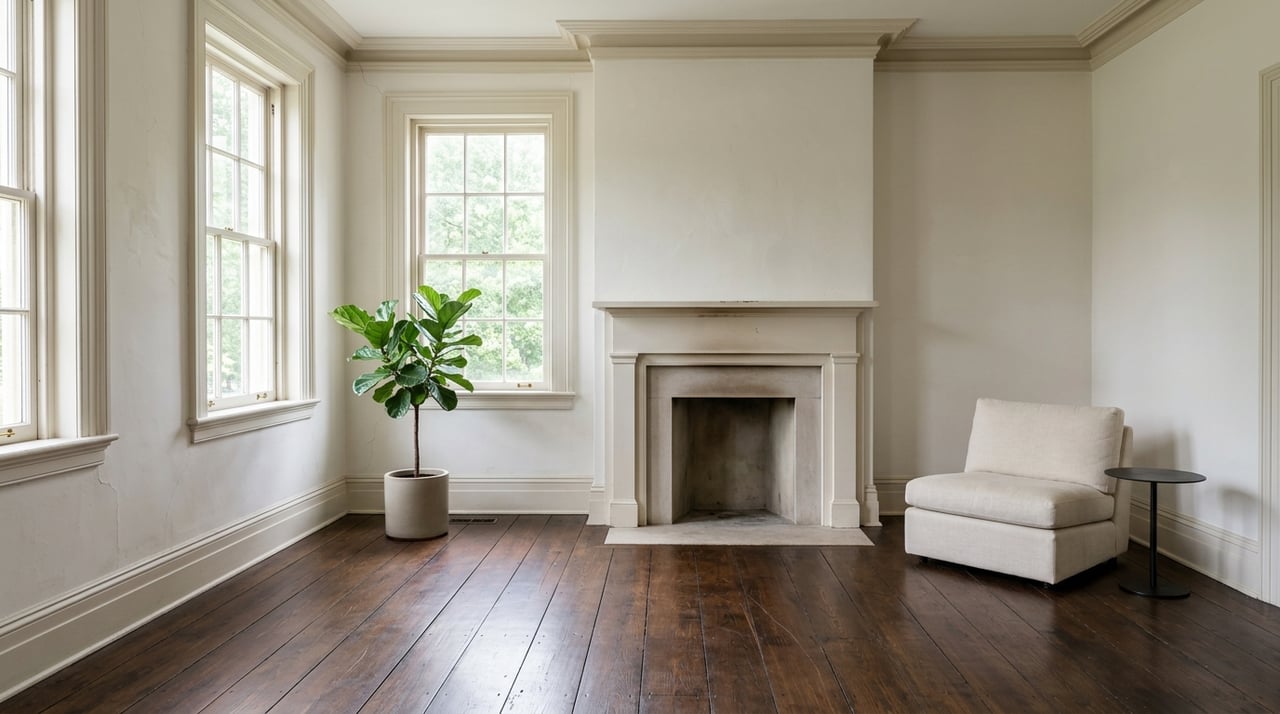
Dreaming about a historic home in Sag Harbor? You are not alone. For many buyers, the appeal is easy to understand: older homes here offer a sense of place, layered architectural detail, and a village setting shaped by centuries of history. Still, buying one requires a different level of diligence than buying newer construction. This guide walks you through what to look for, what to ask, and how to approach the process with confidence. Let’s dive in.
Why Sag Harbor Historic Homes Stand Out
Sag Harbor’s built environment reflects its whaling-era past, with the village’s official history identifying whaling as its main industry from 1760 to 1850. Today, the village remains primarily residential, with homes dating from the mid-1700s through the present, often on relatively small parcels.
That context matters when you shop for a home here. In Sag Harbor, you are often comparing village-scale properties rather than large-lot newer neighborhoods. That can mean more walkability and a stronger sense of architectural continuity, but it can also mean tighter constraints on additions, site changes, and accessory structures.
The Sag Harbor Village Historic District covers the central business district and nearby residential areas, with 882 contributing resources identified in the village survey. Because the village straddles both Southampton and East Hampton, it helps to understand exactly where a property sits and which local review rules may apply.
What “Historic” Can Mean in Sag Harbor
Not every older home in Sag Harbor looks the same. The village survey documents a broad range of building styles, including Federal, Greek Revival, Victorian, and Queen Anne, along with later Cape Cod, split-level, and ranch homes.
That means your search may include both early village houses and later infill properties that still contribute to the broader historic fabric. A home does not need to look frozen in one era to matter within the village’s architectural story.
For you as a buyer, this is important because “historic character” often comes down to specific physical details rather than age alone. Understanding those details can help you better evaluate condition, renovation potential, and long-term value.
Key Features to Notice Before You Buy
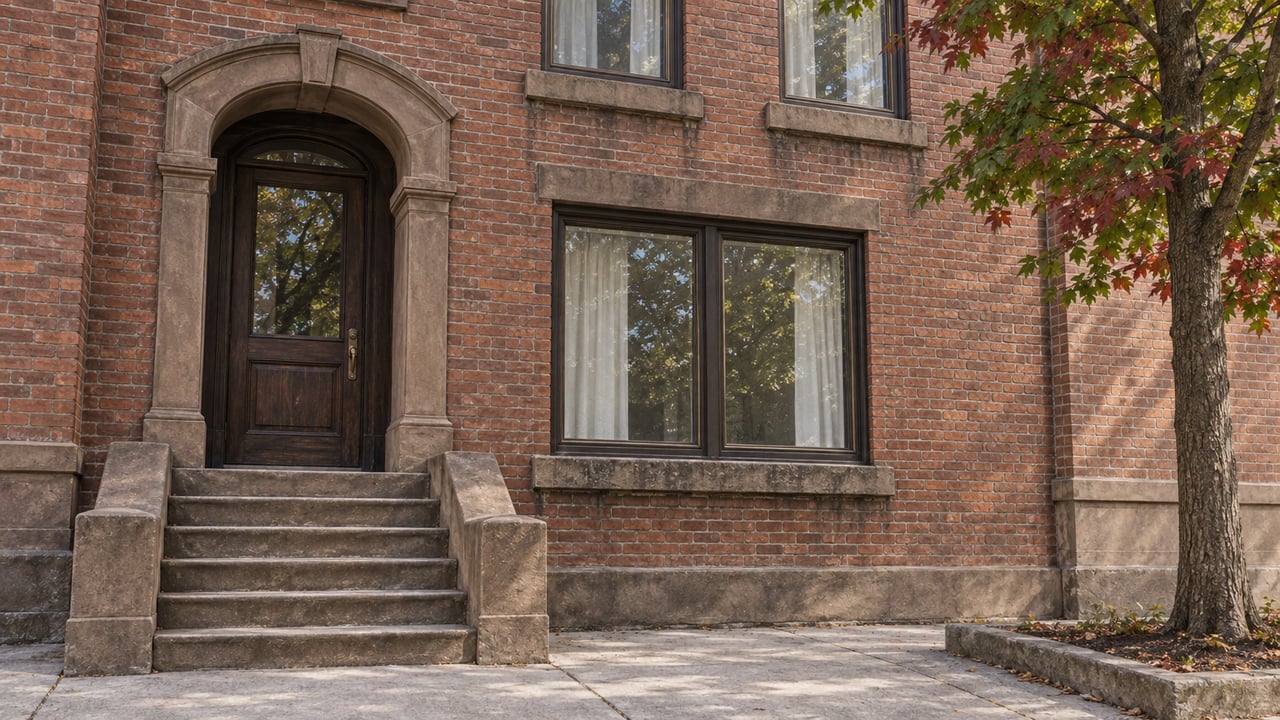
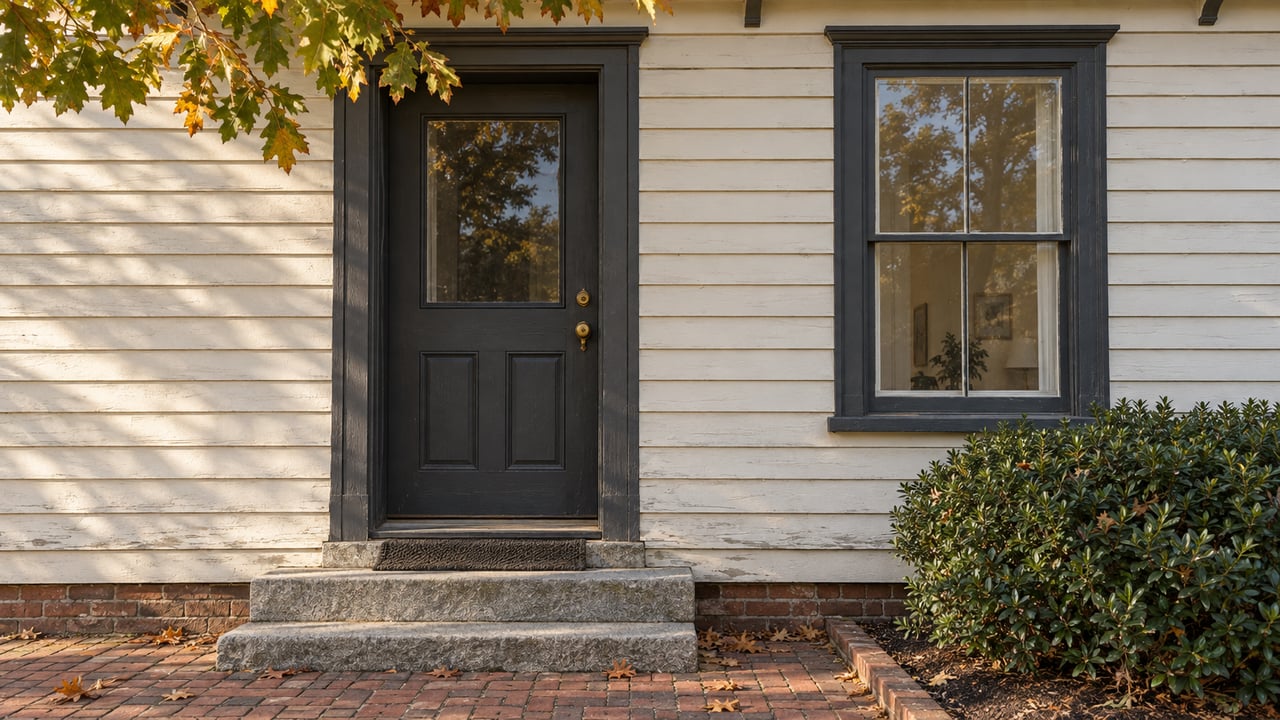
When you tour a historic home in Sag Harbor, look beyond surface finishes. Focus on the materials and proportions that help define the home’s period character.
Features worth noting may include:
- Wood frame construction
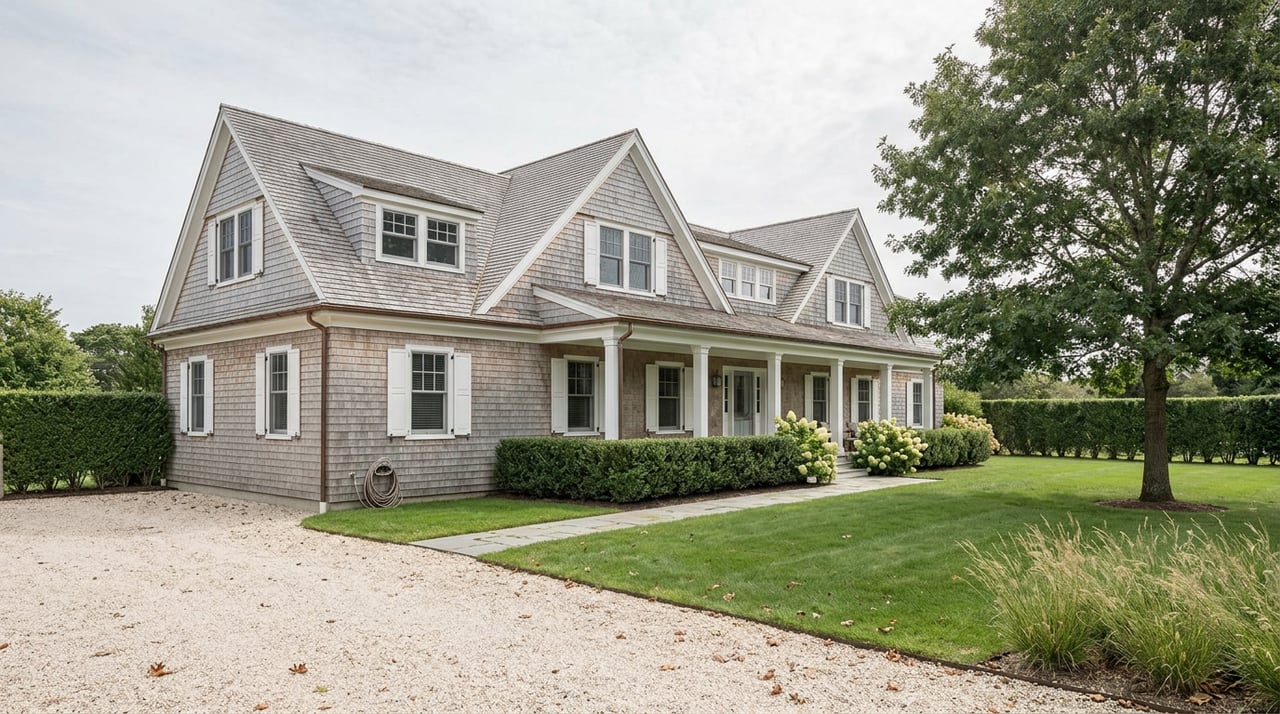
- Clapboard or wood-shingle siding
- Symmetrical window placement
- Center entrances
- Gable or hipped roofs
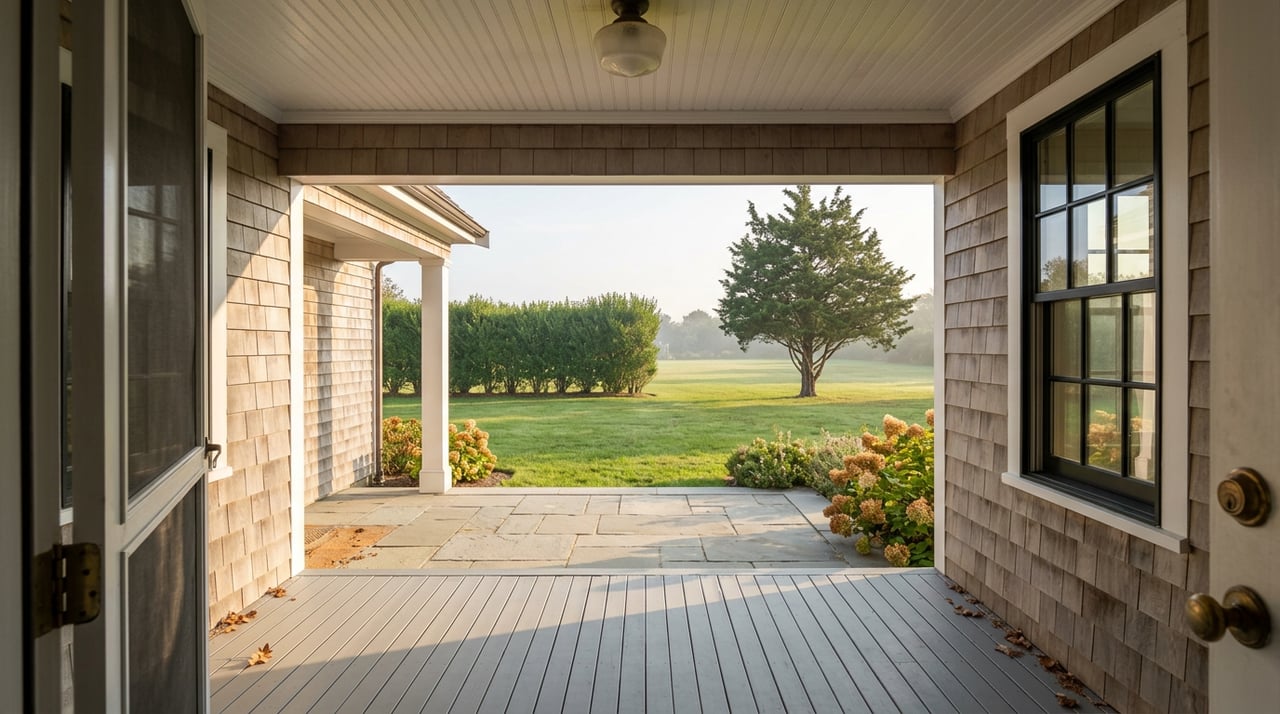
- Porches
- Original window patterns
In later historic examples, you may also see:
- Low-pitched roofs
- Grouped vertical sash windows
- Brick or stone veneer materials
These details are not just aesthetic. In many cases, they can influence how repairs, replacements, or exterior updates are reviewed if the home is within the local historic district.
Understand Historic District Review Early
One of the biggest differences between buying a historic home and buying a newer one is the approval process for exterior work. In Sag Harbor, if a property is inside the historic district, exterior changes generally require a Certificate of Appropriateness before a building permit can be issued.
That process is not something to discover after closing. It should be part of your due diligence before you commit, especially if you already know you want to change windows, siding, roofing, porches, or add structures.
According to the village application process, buyers and owners may need to submit:
- A written project description
- A site plan
- Elevations
- Photographs
- Material samples
The village also encourages an informal pre-application meeting with the board. If demolition or removal affects a landmark, a contributing building in the district, or a building of 3,000 square feet or more, a public hearing is required.
Why Preservation Is More Than a Look
In Sag Harbor, preservation is not only about keeping a home looking old-fashioned. Village law may require a construction protocol and preservation plan showing how the proposed work aligns with the Secretary of the Interior’s Standards for the Treatment of Historic Properties.
In practice, that means identifying, retaining, and preserving historic materials wherever possible, while minimizing replacement. For you, the takeaway is simple: original fabric can matter as much as overall style.
This affects both budget and planning. A renovation that seems straightforward in a non-historic property may involve more documentation, more review, and a stronger preference for repair over wholesale replacement.
Expect a Different Maintenance Mindset
Historic homes often reward careful maintenance, but they rarely respond well to quick fixes. Guidance referenced in the research emphasizes preserving and repairing historic materials when possible, using gentle methods, and replacing only when necessary.
That approach is especially important for common problem areas like windows, sills, siding, and masonry. For example, sample repairs may help determine whether older windows can be retained instead of replaced.
You should also pay close attention to moisture management and masonry condition. If mortar is deteriorated, repointing should use compatible mortar that matches the historic material in strength, composition, color, texture, width, and profile.
Questions to Ask During Due Diligence
A beautiful historic home can be a smart purchase, but only if you understand what you are buying. Before moving forward, ask targeted questions that reflect Sag Harbor’s local rules and historic housing stock.
Start with these:
- Is the property inside the Sag Harbor Village Historic District?
- Is the home individually landmarked?
- What exterior work has been done recently?
- Are the windows, siding, roof, and masonry original, repaired, or replaced?
- Are there open plans for additions, accessory structures, or exterior alterations?
- Would your intended improvements need historic review or zoning approvals?
These questions can help you identify whether a home fits your goals. They can also reduce surprises around timing, cost, and feasibility after contract.
Value, Constraints, and Buyer Tradeoffs
Buyers often ask whether a historic designation helps value. The broader research is mixed. Some studies find price premiums, protection from insensitive change, and neighborhood stability, while others show limited or even negative effects where restrictions are heavier.
For Sag Harbor, the practical point is not to assume a universal premium. Historic character may support value, but the result depends on the specific property and the degree of regulation involved.
This is where disciplined analysis matters. When you compare one home with another, you should weigh not just charm and location, but also condition, approval constraints, maintenance needs, and the likely cost of preserving key features over time.
A Tax Credit May Apply in Some Cases
For some New York buyers, there may be a meaningful financial incentive for rehabilitation. New York State says owner-occupants of certified historic residential buildings in qualifying census tracts may qualify for the State Historic Homeownership Rehabilitation Tax Credit.
The credit is equal to 20% of qualified rehabilitation expenses for eligible repair, maintenance, and upgrade work. Eligibility depends on several factors, including whether the home is individually listed or contributes to a listed historic district, whether minimum spending thresholds are met, and whether approval is obtained before work begins.
Because these requirements are specific, it is important to verify eligibility early if incentives are part of your financial plan. Waiting until after work starts can undermine the opportunity.
How to Buy Smarter in Sag Harbor
If you are considering a historic home in Sag Harbor, the best approach is a mix of emotion and discipline. You want to appreciate the architecture and setting, but you also need a clear plan for review timelines, preservation obligations, and renovation economics.
A smart buying process often includes early document review, careful inspection of historic materials, and a realistic assessment of which improvements are possible. It also helps to work with an advisor who understands how value, regulation, and lifestyle fit together in the Hamptons market.
For buyers weighing character, long-term use, and resale potential, a historic home can be a compelling opportunity. The key is knowing exactly what you are stepping into before you make it yours.
If you are exploring historic homes in Sag Harbor and want data-driven guidance on pricing, property fit, and due diligence, Julio Izquierdo can help you navigate the process with clarity and care.
FAQs
What makes a home historic in Sag Harbor?
- In Sag Harbor, a home may be part of the historic fabric because of its age, architecture, or status as a contributing building within the Sag Harbor Village Historic District.
What approvals are needed for exterior work on a Sag Harbor historic home?
- If the property is inside the historic district, exterior work generally requires a Certificate of Appropriateness before a building permit can be issued.
What should buyers inspect closely in a Sag Harbor historic house?
- Buyers should closely review windows, siding, roofing, masonry, and other original or older exterior features that may affect maintenance needs and future approvals.
Can you renovate a historic home in Sag Harbor?
- Yes, but renovation may require local review, supporting documents, and a preservation-focused approach that prioritizes retaining historic materials where possible.
Is there a tax credit for restoring a historic home in New York?
- In some cases, owner-occupants of certified historic residential buildings in qualifying census tracts may qualify for a New York State tax credit equal to 20% of qualified rehabilitation expenses.
Why is buying a historic home in Sag Harbor different from buying newer construction?
- Historic homes in Sag Harbor often come with smaller village lots, older materials, and local review rules that can affect maintenance, additions, and exterior changes.