Choosing between East Hampton waterfront living and village living is not just about picking a prettier setting. In this market, your decision affects how you use the home, what you pay to own it, and how much day-to-day complexity you take on. If you are weighing both options, this guide will help you compare lifestyle, pricing, upkeep, and resale considerations so you can make a smarter move. Let’s dive in.
Why the choice matters in East Hampton
East Hampton Town spans a 69-square-mile peninsula with 131 miles of coastline and a large amount of protected open space. That setting creates real value, but it also means many homes come with environmental, regulatory, and seasonal factors that buyers need to understand.
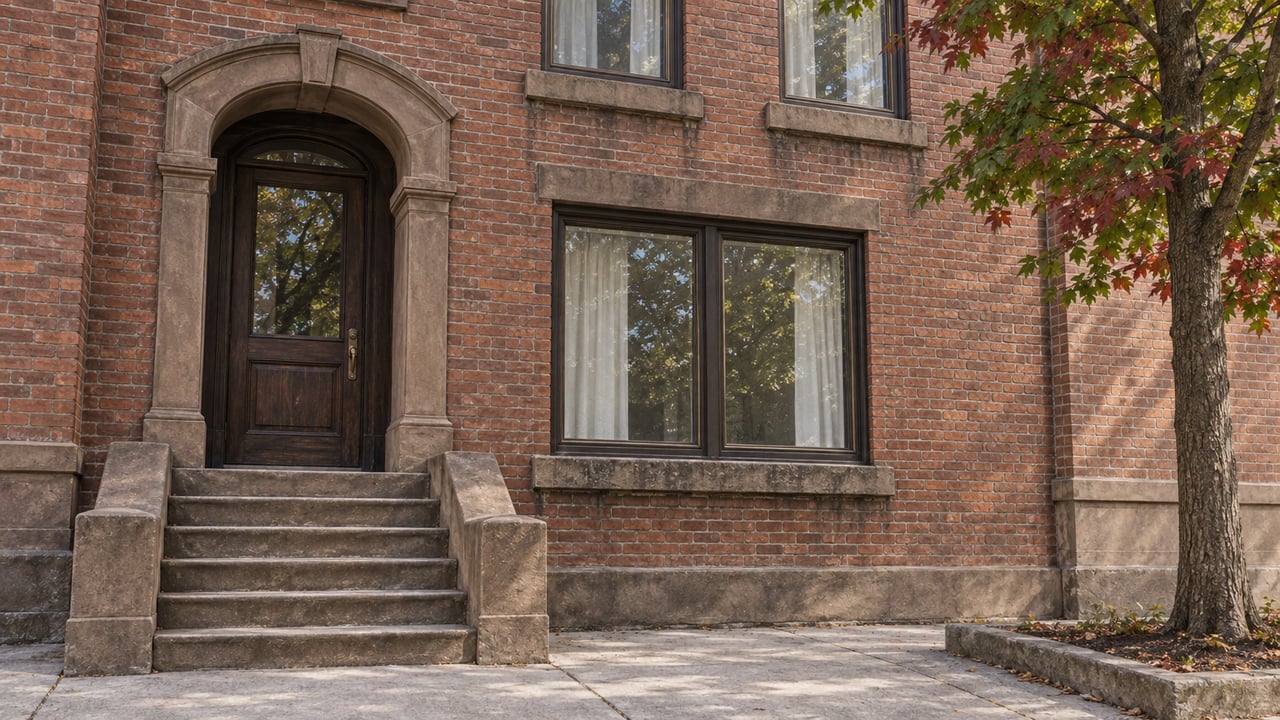
East Hampton Village serves as the historic and amenity-rich core, with civic services, museums, inns, and shopping clustered near Main Street and surrounding blocks. Waterfront living, by contrast, is more varied. It can mean oceanfront, bayfront, or homes with close beach orientation, and each setup can come with different rules and ownership realities.
That distinction matters because in East Hampton, the ownership experience is shaped by more than the home itself. Beach permits, parking rules, flood-zone considerations, and infrastructure issues like septic systems all play a role in how practical a property feels over time.
East Hampton pricing tells part of the story
If you look at pricing alone, East Hampton Village commands a clear premium over the broader East Hampton market. A year-end 2025 Hamptons report from William Raveis put the East Hampton Village median home sales price at $5.625 million across 56 sales, compared with $2.85 million for the broader East Hampton area, which includes Wainscott, across 317 sales.
Another pricing snapshot points in the same direction. Zillow’s home-value index showed East Hampton Village at $5,424,534 versus $2,057,704 for East Hampton overall. While these figures do not isolate waterfront inventory from all other property types, they reinforce that location within East Hampton can change pricing dramatically.
At a broader market level, Realtor.com reported 279 listings for sale, a median list price of $2.85 million, median days on market of 137, and a sales-to-list-price ratio of 92 percent. That suggests buyers should expect a selective market where both price discipline and patience matter.
At the highest tier, coastal scarcity still drives major value. The same William Raveis report noted that East Hampton Village and Bridgehampton each recorded seven transfers above $20 million, with the highest median home prices in villages south of the highway closest to the ocean. In simple terms, the closer you get to scarce ocean-adjacent product, the higher the pricing ceiling tends to be.
Village living offers easier daily use
For many buyers, East Hampton Village is the easier choice to enjoy regularly. The village offers a denser cluster of shops, dining, civic services, and cultural destinations, which can make shorter stays feel more worthwhile and less logistically demanding.
The village also provides free summer transportation through the East Hampton Circuit. That service connects Main Beach, the LIRR station, the Jitney stop, Main Street, and local hotels and restaurants. If you expect frequent weekend visits, that kind of connectivity can reduce the need to plan every trip around driving and parking.
Parking still requires attention. Main Street and Newtown Lane have a one-hour street parking limit, and certain municipal lots are available for limited free parking to residents and year-round tenants with proper permits. So while village life can feel more convenient overall, it still works best when you are comfortable walking, planning around seasonal traffic, and following local parking rules.
Waterfront living makes the water the main event
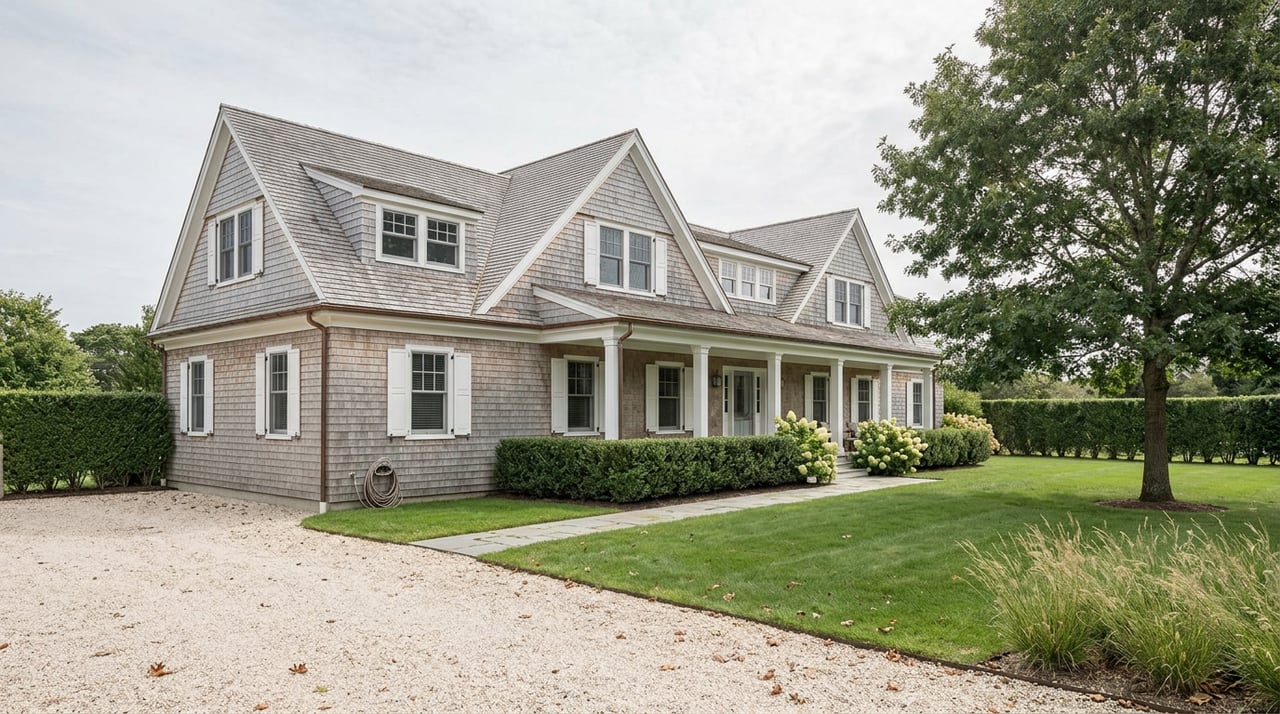
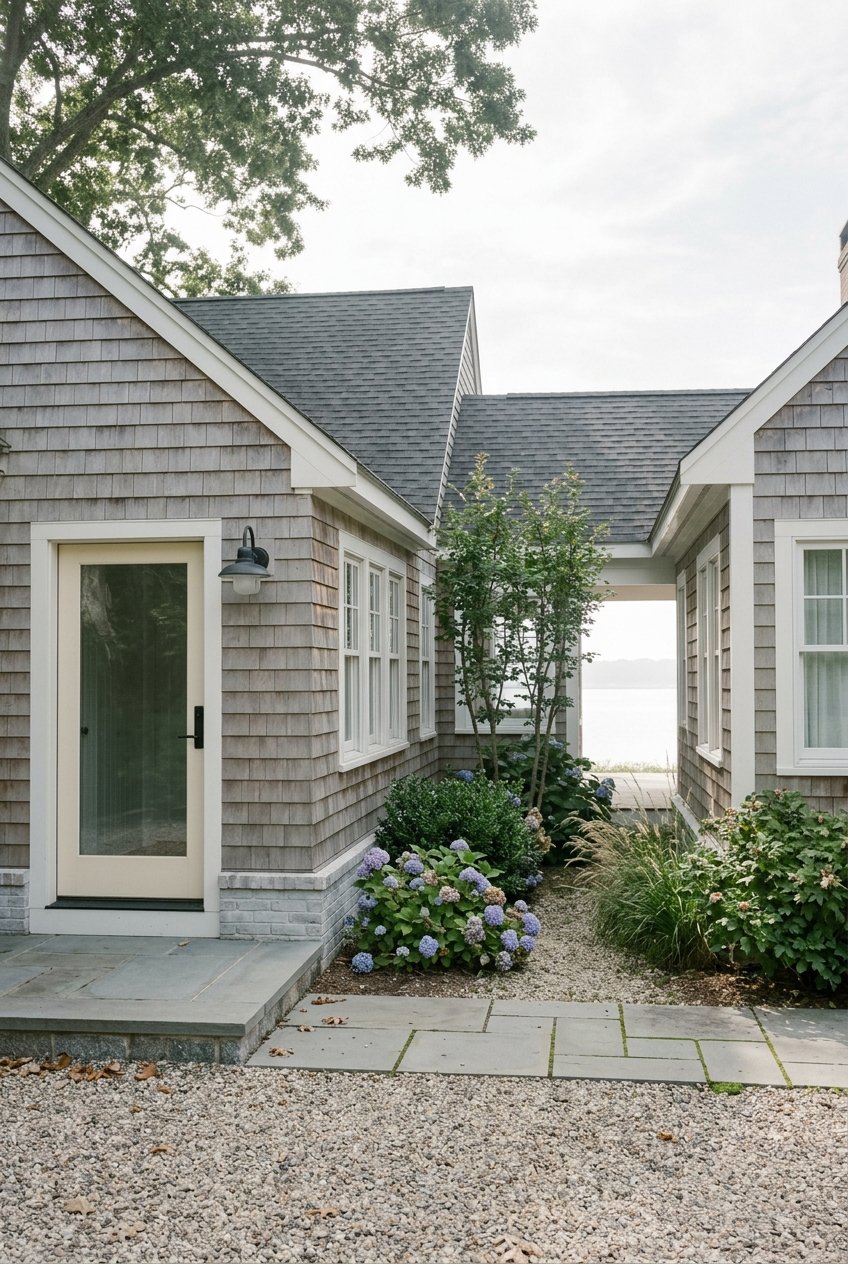
Waterfront ownership creates a different kind of East Hampton experience. If your top priority is direct access to the coast, open views, and a home that feels like a retreat from the moment you arrive, waterfront property can deliver something village living usually cannot.
That said, the experience is often more structured than buyers first expect. East Hampton Village requires beach parking permits for its five village beaches, and vehicles are not permitted on village beaches from 9 a.m. to 6 p.m. between May 15 and September 15. Rules also apply to dogs, beach fires, and catered or special beach events.
In practice, that means waterfront living tends to work best when the water itself is the centerpiece of why you are buying. You may be accepting more rules, more upkeep, and more planning in exchange for a setting that feels more exclusive and immersive.
Ownership costs can differ in meaningful ways
One of the biggest practical differences between waterfront and village homes is the level of due diligence needed before you buy. Waterfront homes often require more attention to flood exposure, insurance implications, and future renovation constraints.
FEMA notes that properties in high-risk A or V flood zones may require flood insurance if there is a federally backed mortgage. FEMA also notes that flood maps and insurance costs can change as maps are updated. For buyers considering waterfront property, checking the parcel’s flood status is not optional. It is part of understanding the true cost of ownership.
Local building rules add another layer. East Hampton Town’s Planning Department says minimum elevation requirements for construction in flood hazard areas were revised under the New York State Residential Code and Building Code, effective December 31, 2025, and those rules apply to permit applications filed on or after that date.
This matters if you are buying with plans to renovate, expand, or rebuild in the future. A home that seems straightforward at first glance may involve more design, permitting, and construction considerations than a comparable inland or village property.
Septic and infrastructure matter townwide
It is easy to focus on views and forget the systems behind the house. In East Hampton, wastewater infrastructure is a meaningful issue across the market, not just in one pocket of town.
East Hampton Town says it has about 19,400 developed parcels, with more than 12,500 still using antiquated cesspools and 6,700 using traditional leach fields. The town also offers septic incentives of up to $20,000 in the Water Protection District and up to $15,000 elsewhere for approved low-nitrogen system replacements.
Importantly, this program applies to properties within village boundaries as well. So if you are comparing waterfront and village living, neither side gets a free pass on septic due diligence. You should understand what system is in place, whether upgrades may be needed, and how that could affect your long-term ownership costs.
Beach driving and coastal access are not automatic
Many buyers imagine East Hampton coastal ownership as simple, spontaneous access to the beach. In reality, access can depend on permits and local restrictions.
East Hampton Town requires a valid town permit to drive on the beach, and permits must be renewed every five years. Seasonal driving restrictions also apply in several areas, including a stretch in Wainscott.
This does not make waterfront ownership less appealing, but it does reinforce an important point. In East Hampton, coastal living is highly desirable, yet it often comes with more rules and more planning than buyers expect.
Which option fits your lifestyle best?
If you want easier, repeat use, village living usually has the edge. You are closer to everyday amenities, transportation connections, and a more walkable pattern of use. For many second-home buyers, that means less friction and more spontaneous enjoyment.
If you want the home itself to feel like a destination, waterfront living may be the better fit. You are paying for scarcity, views, and a stronger sense of retreat, even if that comes with more upkeep, more regulation, and potentially higher insurance and project costs.
Neither choice is universally better. The right answer depends on how you plan to live in the home, how often you expect to use it, and how much operational complexity you are comfortable managing.
What this means for resale
Both village and waterfront properties can perform well on resale, but they tend to attract different buyer pools. Village homes often appeal to buyers who prioritize convenience, access, and easier day-to-day use. Waterfront homes often appeal to buyers willing to pay a premium for direct water access, views, and rarity.
That difference can matter when you think about future marketability. A village property may speak to a broader set of luxury buyers who want East Hampton with less friction. A waterfront property may appeal to a narrower but highly motivated audience that sees coastal scarcity as the key value driver.
In either case, the strongest decisions usually come from matching the asset to the intended use. That is where disciplined valuation and careful property-level due diligence become especially important in a market like East Hampton.
If you are comparing East Hampton waterfront and village homes, the best move is to look beyond the photos and ask sharper questions about use, regulation, carrying costs, and long-term fit. For tailored guidance backed by market analysis and a high-touch approach, connect with Julio Izquierdo.
FAQs
What is the main difference between East Hampton waterfront and village living?
- Village living is generally more convenient for frequent use, while waterfront living is usually more about direct water access, views, and a retreat-style experience.
How much more expensive is East Hampton Village than the broader East Hampton market?
- A year-end 2025 Hamptons report cited a median home sales price of $5.625 million in East Hampton Village versus $2.85 million in the broader East Hampton area.
What should buyers check before purchasing an East Hampton waterfront home?
- Buyers should verify flood-zone status, understand insurance implications, review permit and elevation requirements, and assess septic system needs before moving forward.
Do East Hampton Village homes also have septic concerns?
- Yes. East Hampton Town’s septic incentive program applies within village boundaries too, which means village buyers should still evaluate existing wastewater systems and possible upgrade costs.
Are beach access and beach driving automatic with East Hampton coastal ownership?
- No. Beach parking permits, beach-use rules, and beach-driving permits may apply, and seasonal restrictions can affect how and when you use certain areas.
Is East Hampton Village better for weekend use?
- For many buyers, yes. The village’s transportation options, amenity concentration, and easier day-to-day access can make shorter stays more practical and enjoyable.